
The science behindWinter Light.
Every ingredient, every dose, and the research behind it. No proprietary blend, no hidden amounts, no miracle claims.
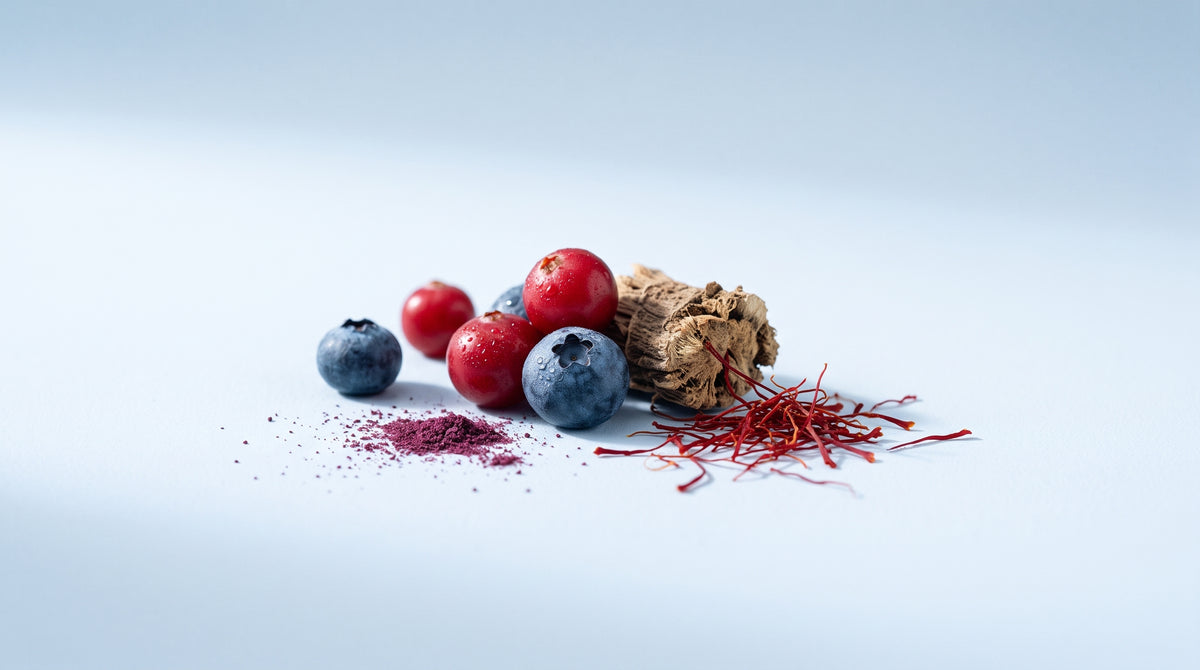
How we choose what goes in
Studied ingredients
Each ingredient is in Winter Light because it has been studied in humans, not because it's trending.
Every dose on the pack
No proprietary blend. You always know exactly how much of each ingredient you take.
Honest about the evidence
We show how strong the research is for each ingredient, and we never claim more than it says.

80 mg + 200 mg
Natural caffeine + L-theanine
Strong evidenceNatural caffeine from green tea, paired with L-theanine, an amino acid found in tea leaves. Together, they are one of the most studied pairings for alertness and focus.
In placebo-controlled trials, the combination improved the speed and accuracy of attention and made participants less susceptible to distraction. A 2014 meta-analysis confirmed effects on alertness and attention in the first two hours after intake.*
- Owen et al., Nutritional Neuroscience, 2008 · Read the study
- Haskell et al., Biological Psychology, 2008 · Read the study
- Camfield et al., Nutrition Reviews, 2014 (meta-analysis) · Read the study
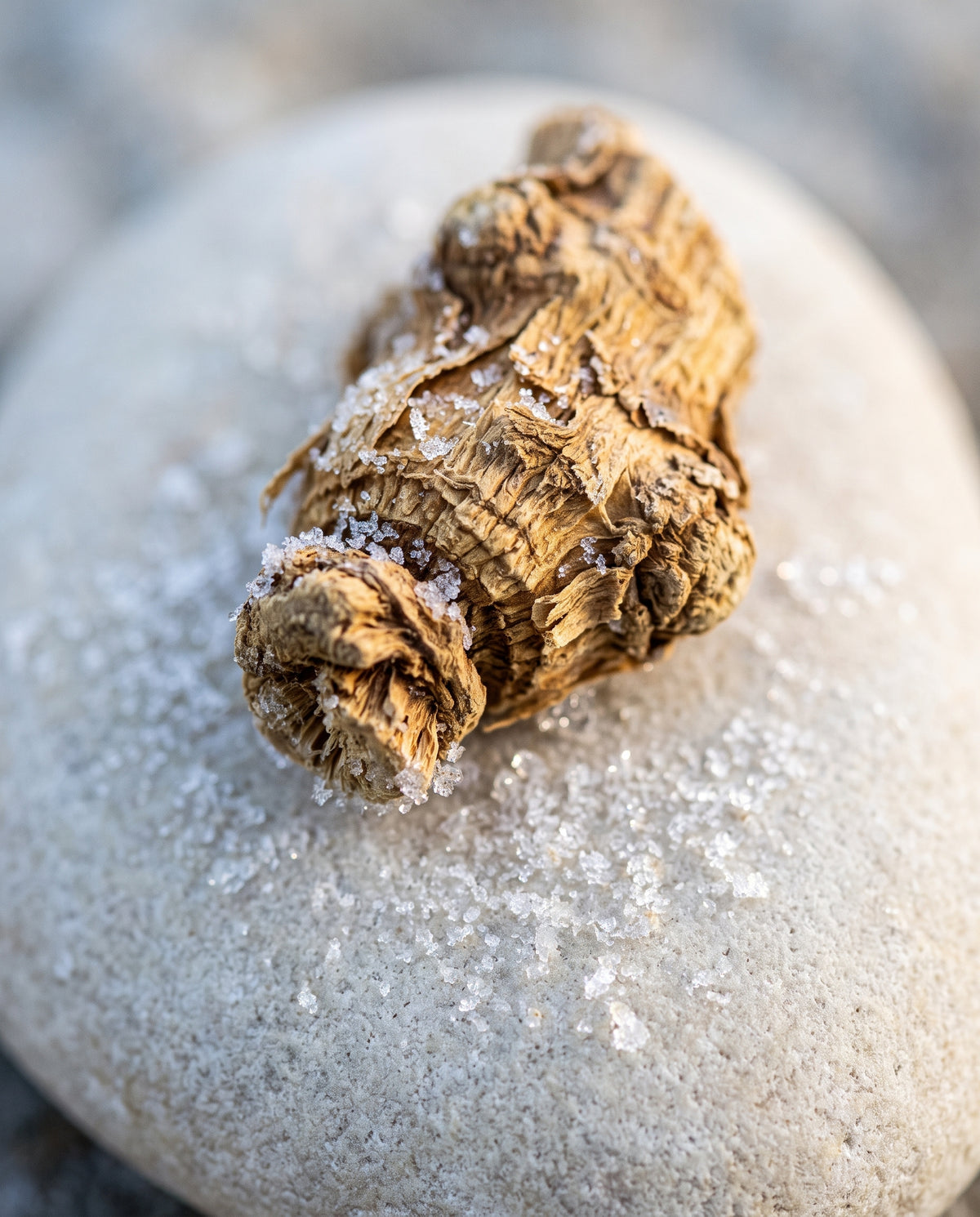
400 mg
Rhodiola rosea
Moderate evidenceKnown as "arctic root", rhodiola grows in cold northern climates and has a long history of traditional use in Scandinavia and Russia.
It has been studied in people under demanding conditions: physicians on night duty, students during exams and military cadets. Several of these trials reported lower mental fatigue than placebo.* A 2012 systematic review found the results promising, but noted that larger, high-quality studies are still needed.
- Darbinyan et al., Phytomedicine, 2000 (physicians on night duty) · Read the study
- Spasov et al., Phytomedicine, 2000 (students during exams) · Read the study
- Shevtsov et al., Phytomedicine, 2003 (military cadets) · Read the study
- Ishaque et al., BMC Complementary and Alternative Medicine, 2012 (systematic review) · Read the study
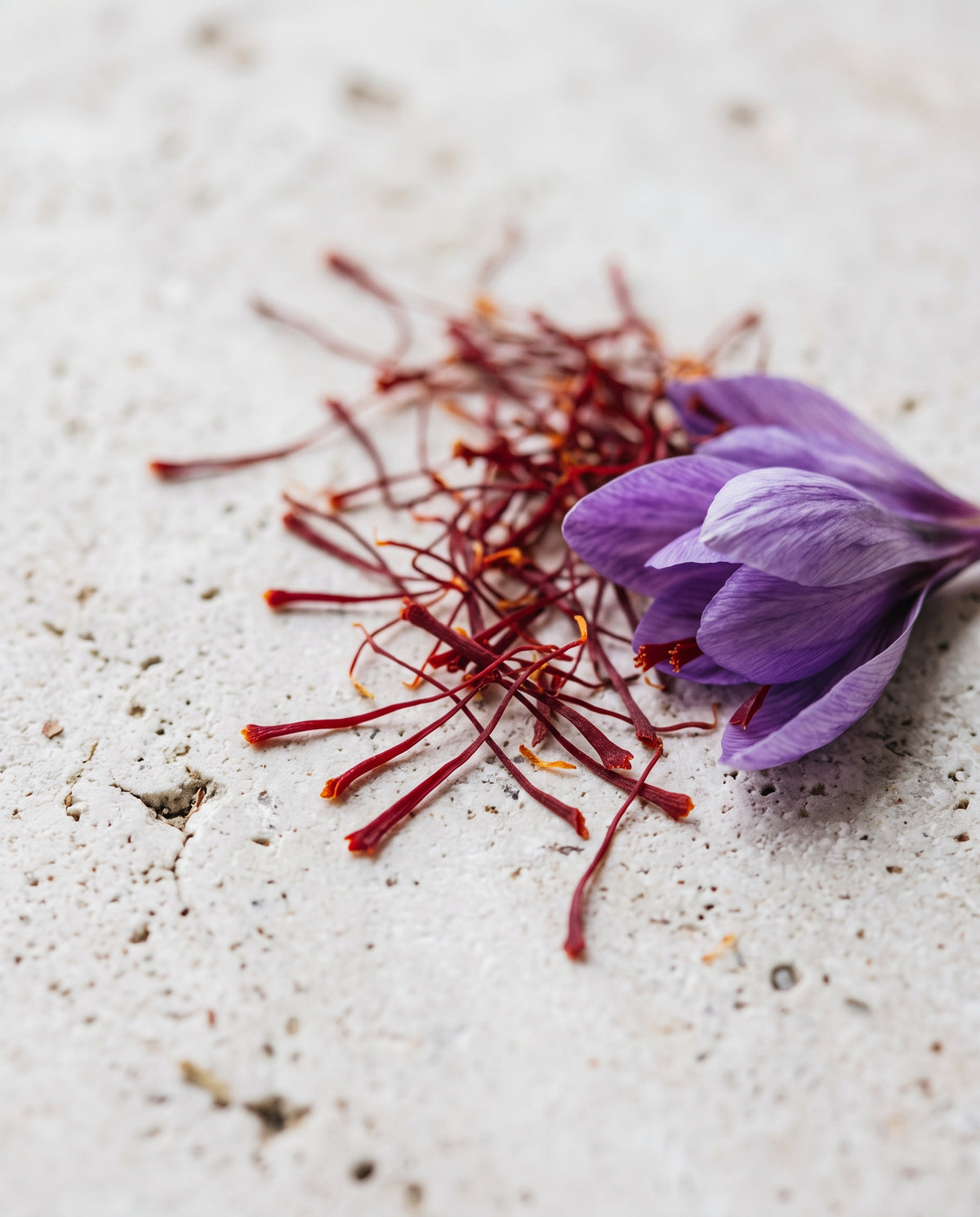
28 mg
Saffron extract
Emerging evidenceSaffron comes from the stigmas of the Crocus sativus flower, one of the most precious botanicals in the world.
In a 4-week, double-blind, placebo-controlled trial with 128 healthy adults, 28 mg per day of a standardized saffron extract was studied for its support of a positive mood.* The same trial found no effect at 22 mg, which is why Winter Light uses 28 mg.
- Kell et al., Complementary Therapies in Medicine, 2017 · Read the study

2,000 IU
Vitamin D3
Essential nutrientYour skin makes vitamin D from sunlight, but not all year. A classic study showed that in Boston, winter sunlight from November to February is too weak for the skin to produce vitamin D3.
Vitamin D supports normal immune function and healthy bones.* At 2,000 IU, Winter Light stays well below the 4,000 IU daily upper limit set for adults.
- Webb et al., Journal of Clinical Endocrinology & Metabolism, 1988 · Read the study
- NIH Office of Dietary Supplements, Vitamin D fact sheet · Read the fact sheet

Vitamins B6 + B12
Essential nutrientsB vitamins are the quiet workers behind your energy. B6 and B12 both play a central role in normal energy metabolism, the process that turns food into usable energy.*
- Kennedy, Nutrients, 2016 (review) · Read the study
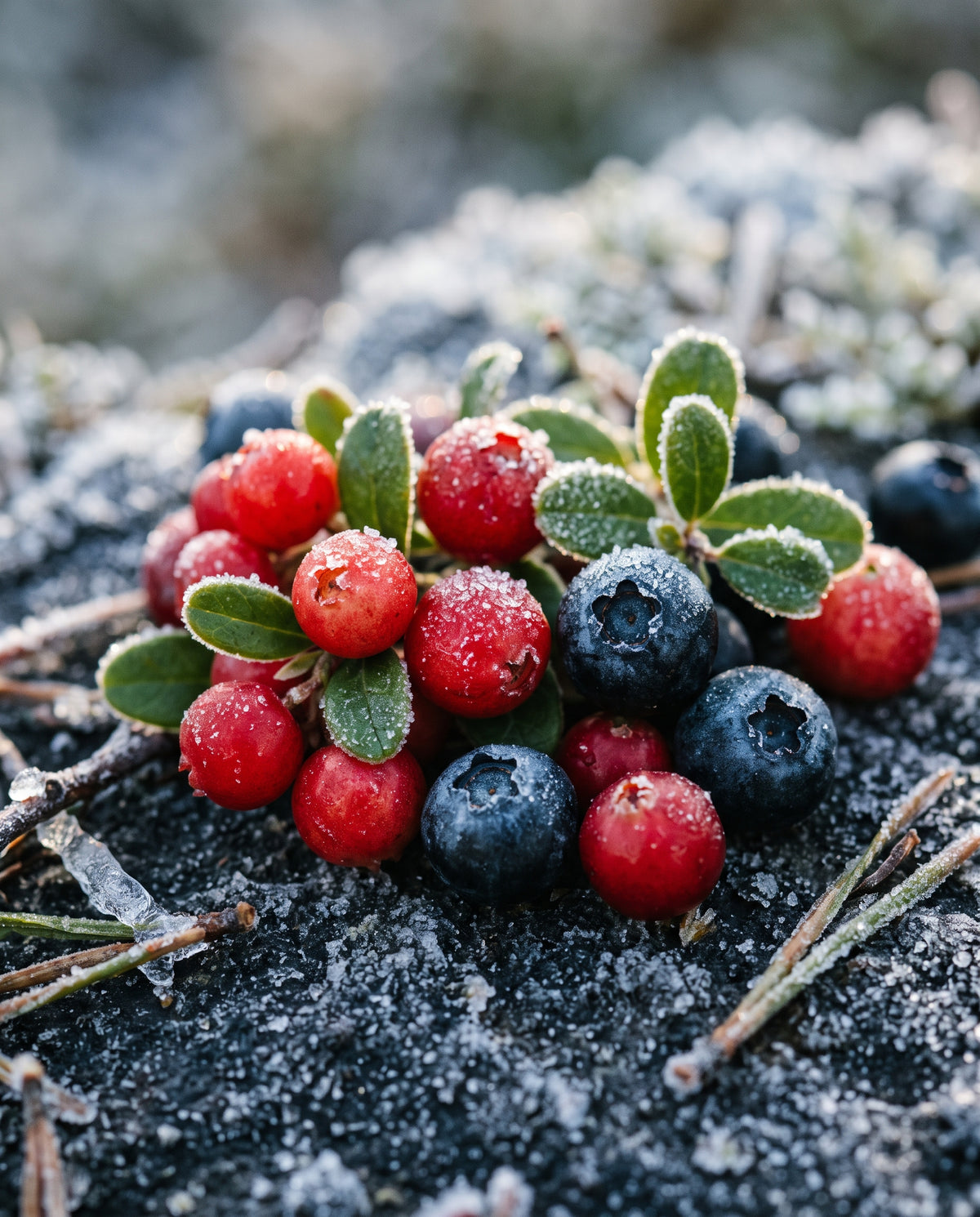
Vitamin C
Essential nutrientAn antioxidant your body cannot make on its own. Vitamin C supports normal immune function.*
- NIH Office of Dietary Supplements, Vitamin C fact sheet · Read the fact sheet
What we don't claim
The studies on this page tested individual ingredients, not Winter Light itself, and sometimes at different doses. We share them so you can see why each ingredient is in the formula.
Winter Light is a dietary supplement, not a medicine. It is not intended to diagnose, treat, cure, or prevent any disease. If you are pregnant, nursing, sensitive to caffeine, taking medication or have a medical condition, talk to your doctor before use.

One stick. Every dose on the pack.
Shop Winter Light
*These statements have not been evaluated by the Food and Drug Administration. This product is not intended to diagnose, treat, cure, or prevent any disease.
Arctic Ray is a dietary supplement. It does not replace a varied and balanced diet or a healthy lifestyle. Consult your healthcare professional before use if you are pregnant, nursing, taking medication or have a medical condition. Keep out of reach of children.